News
Ain Shams Engineering Hosts Scientific Seminar on Revitalizing Historic Cities in Egypt with an Integrated and Sustainable Vision
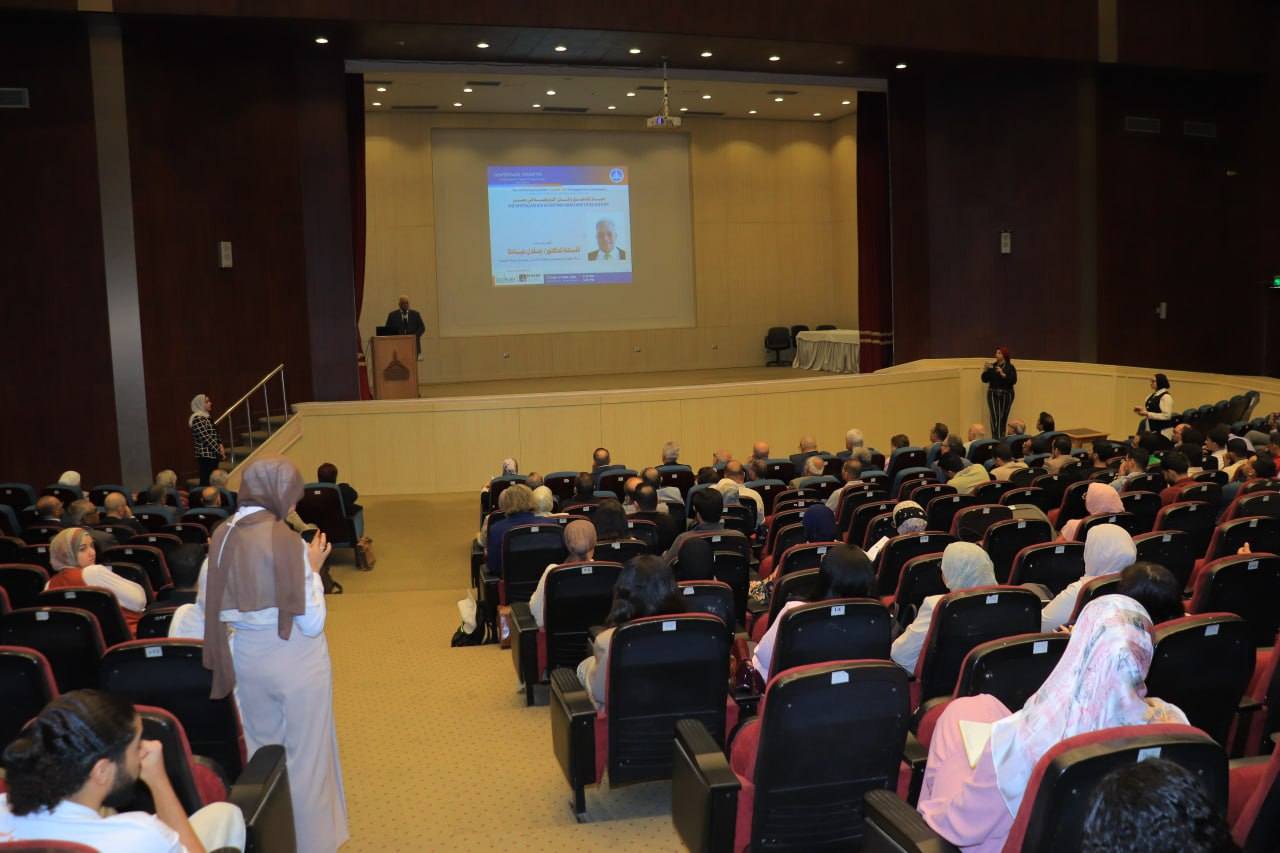
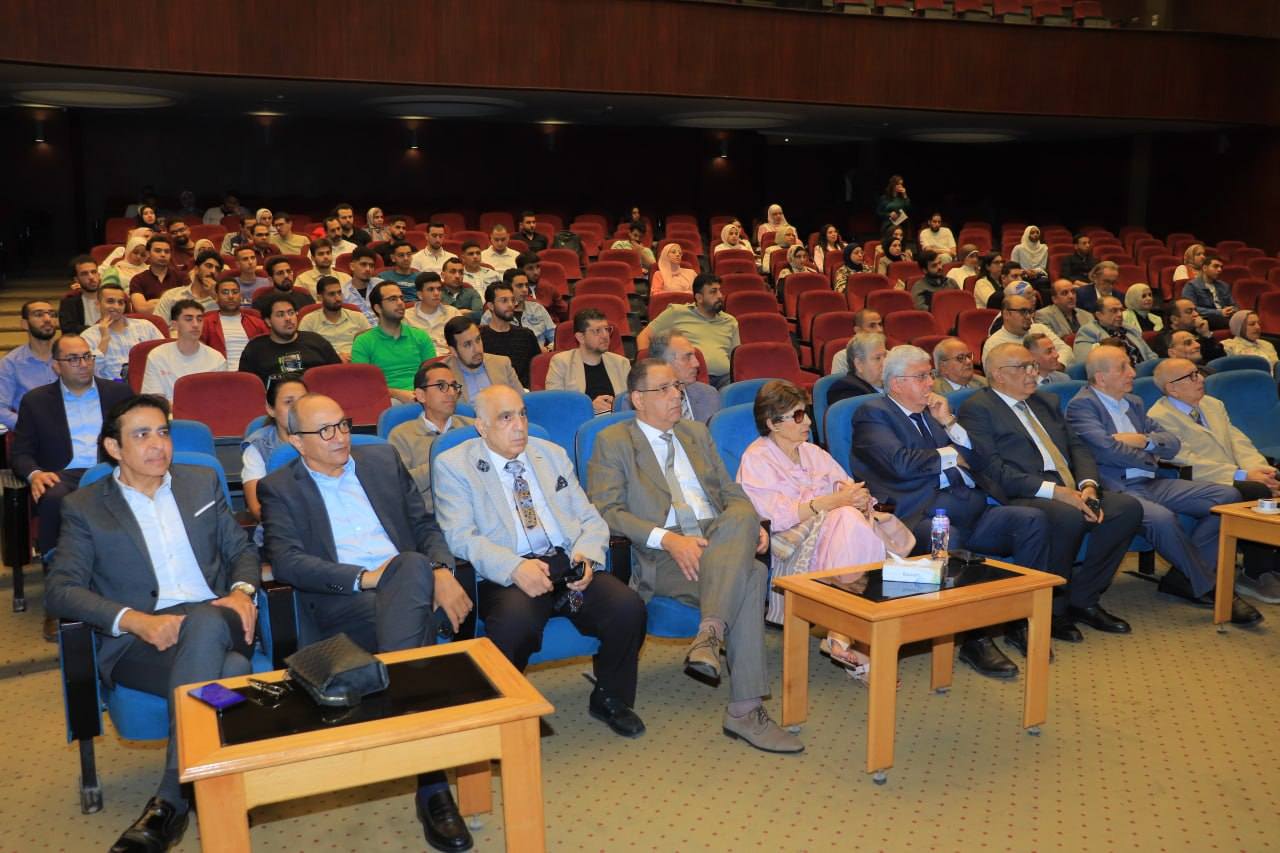
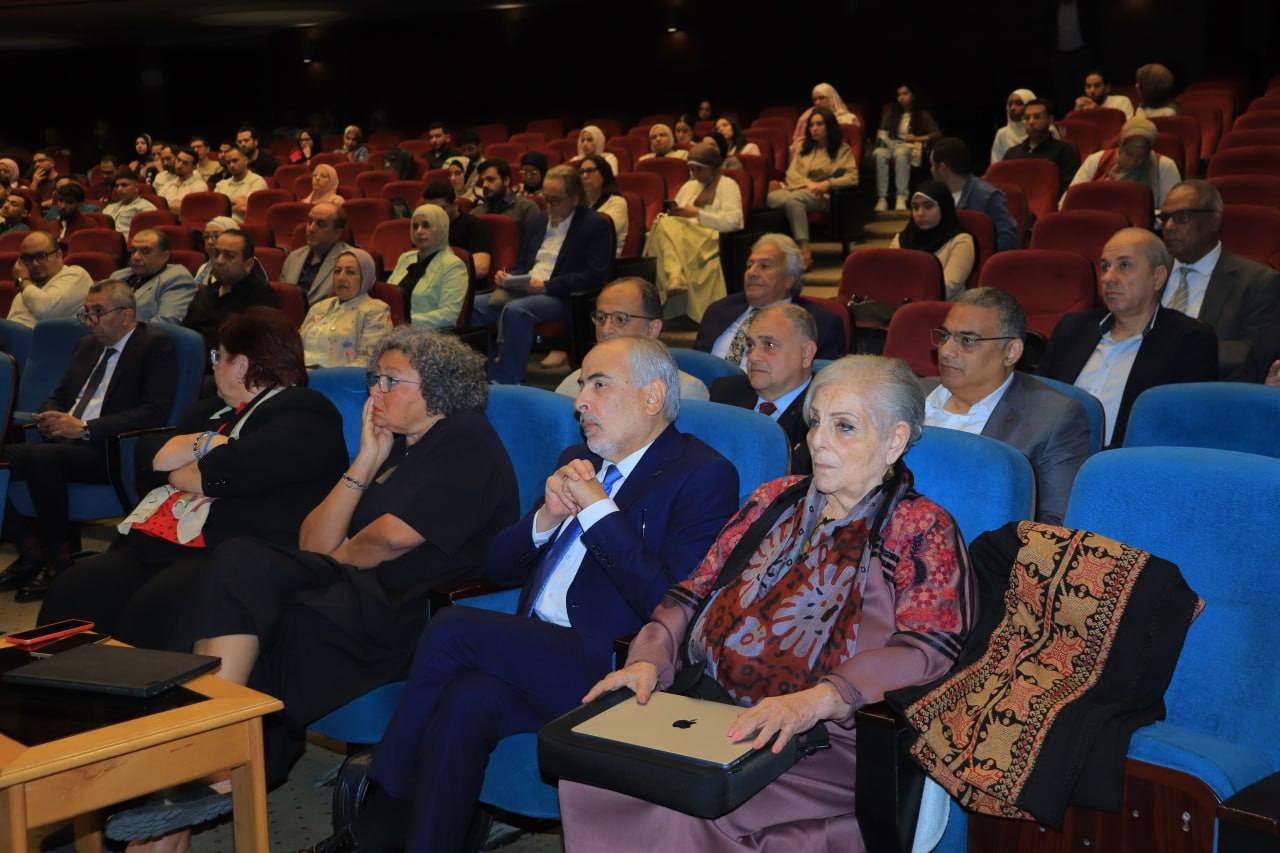
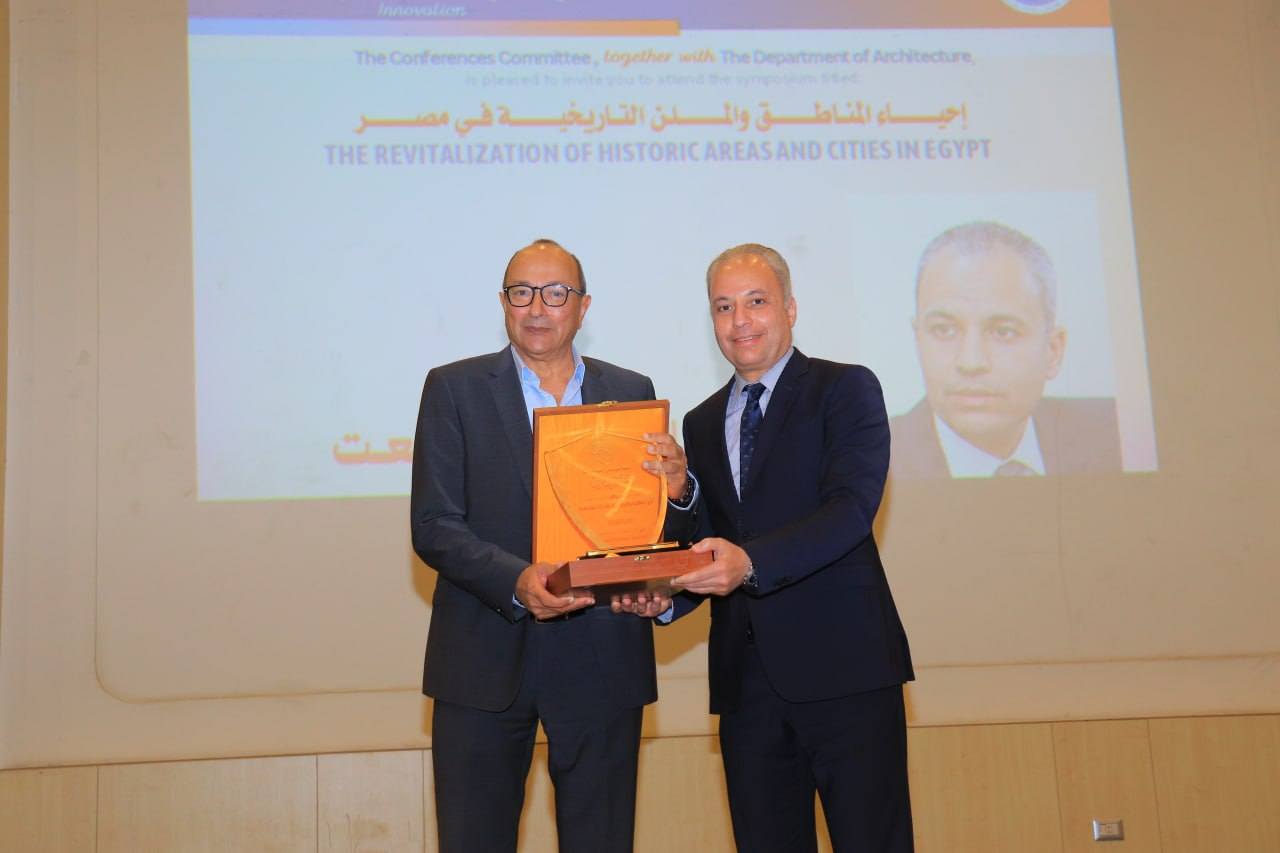
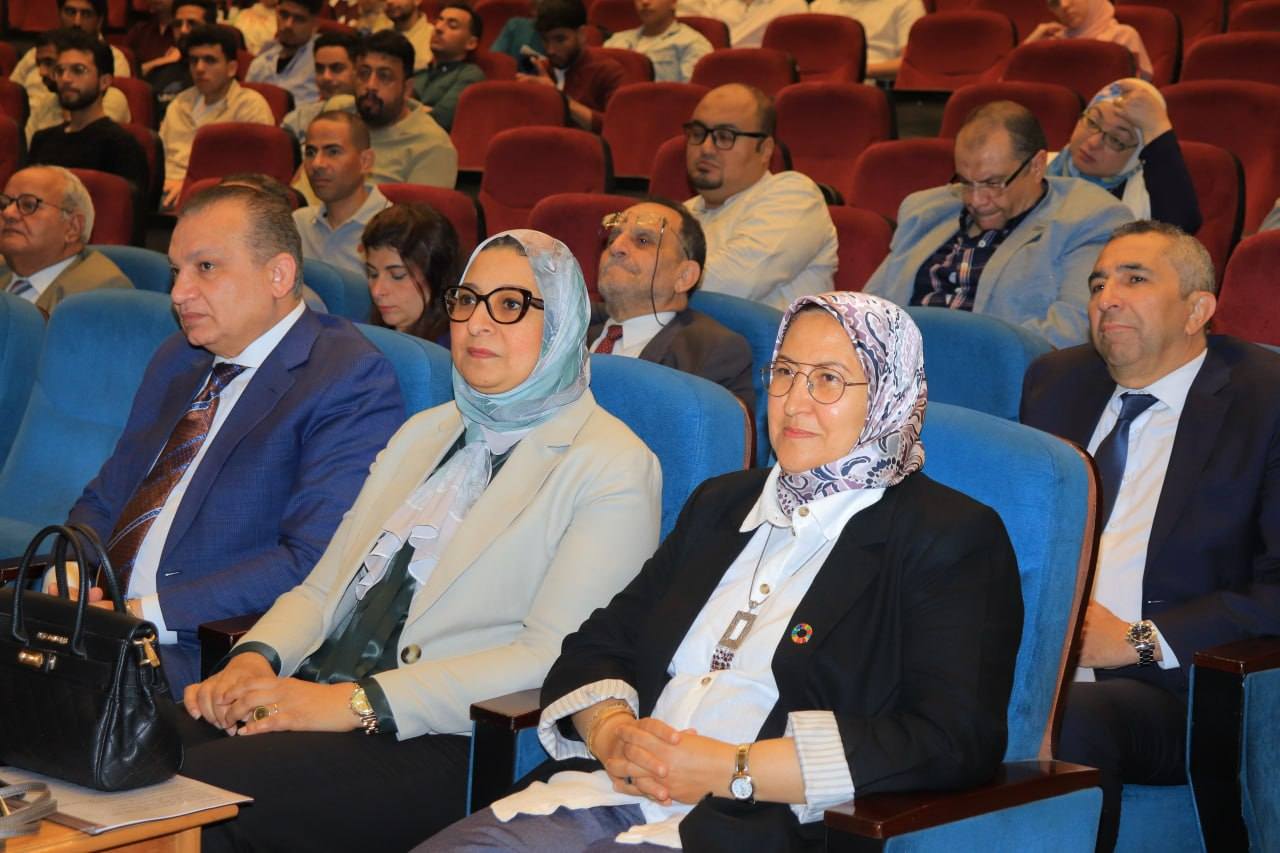
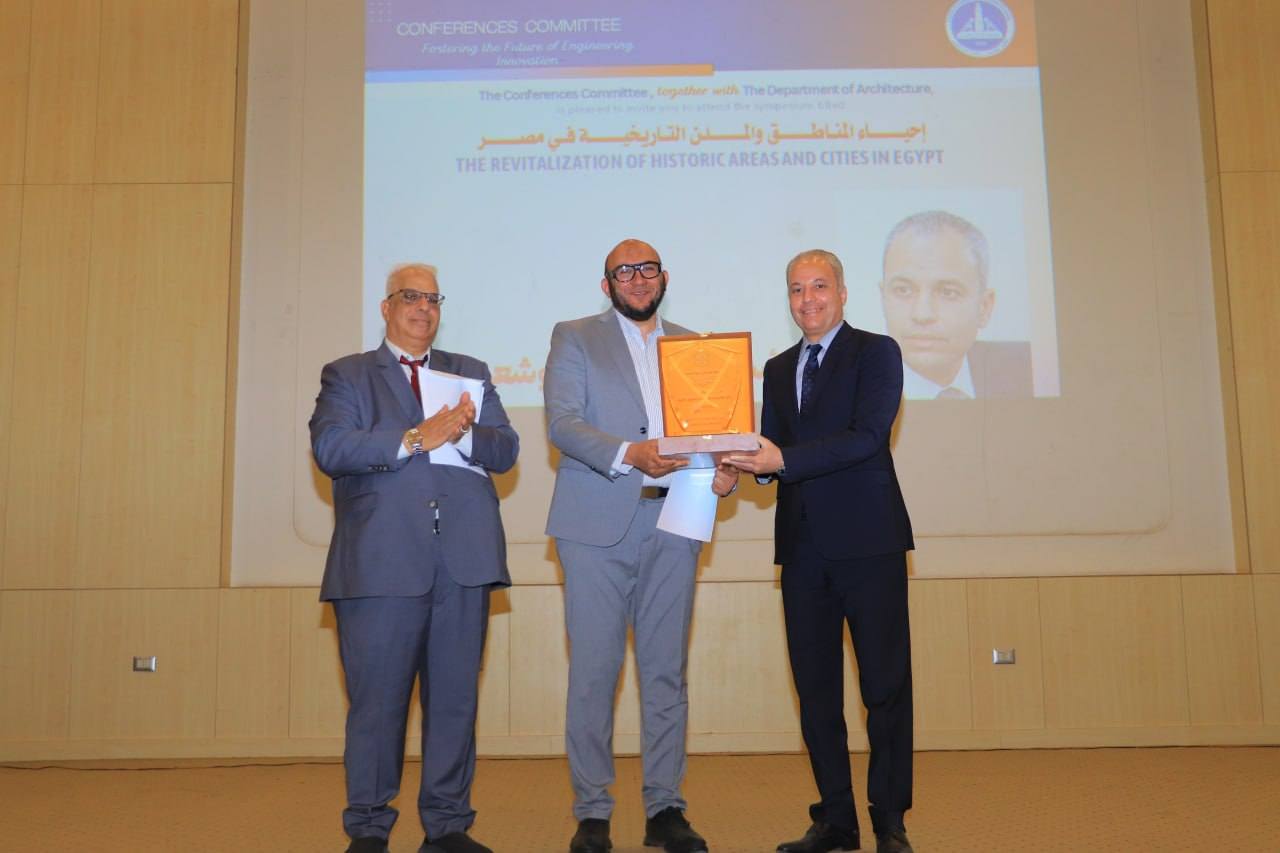
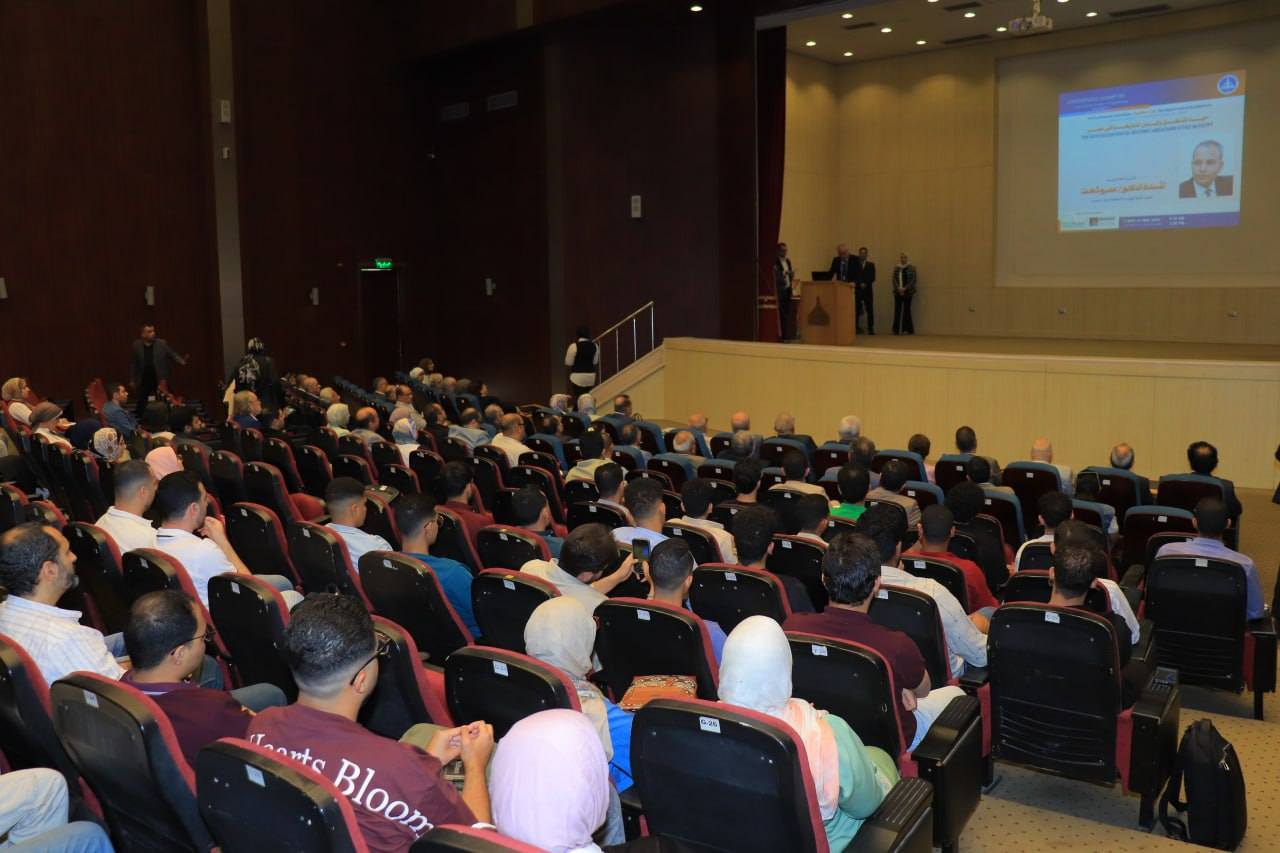
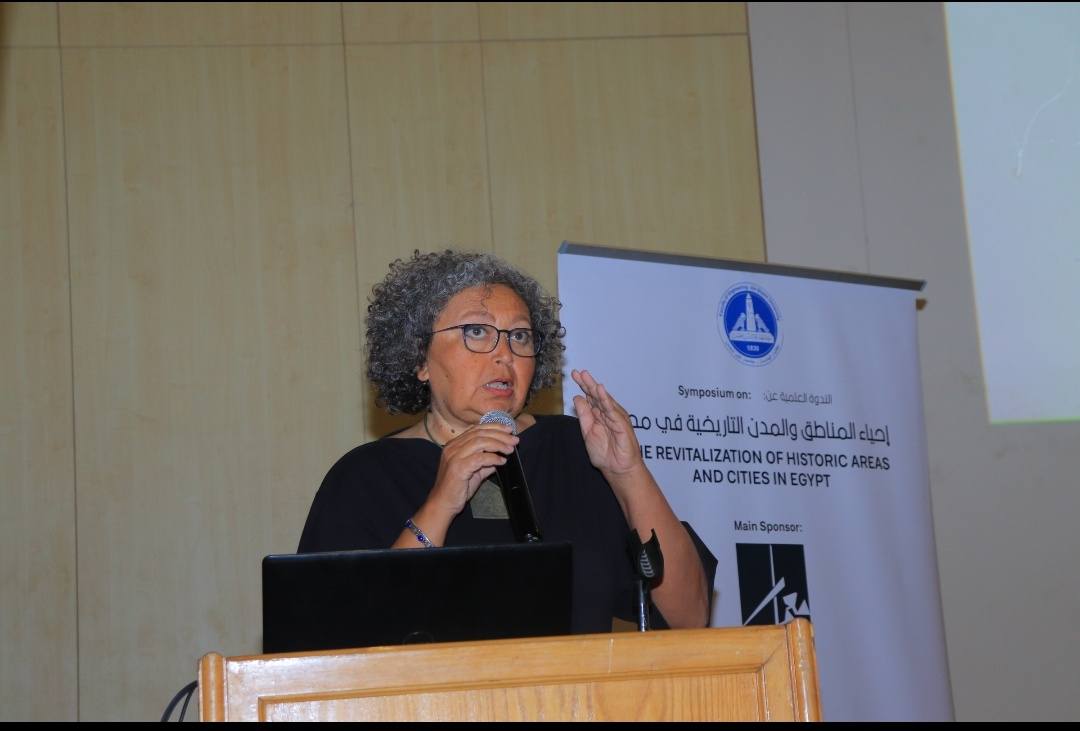
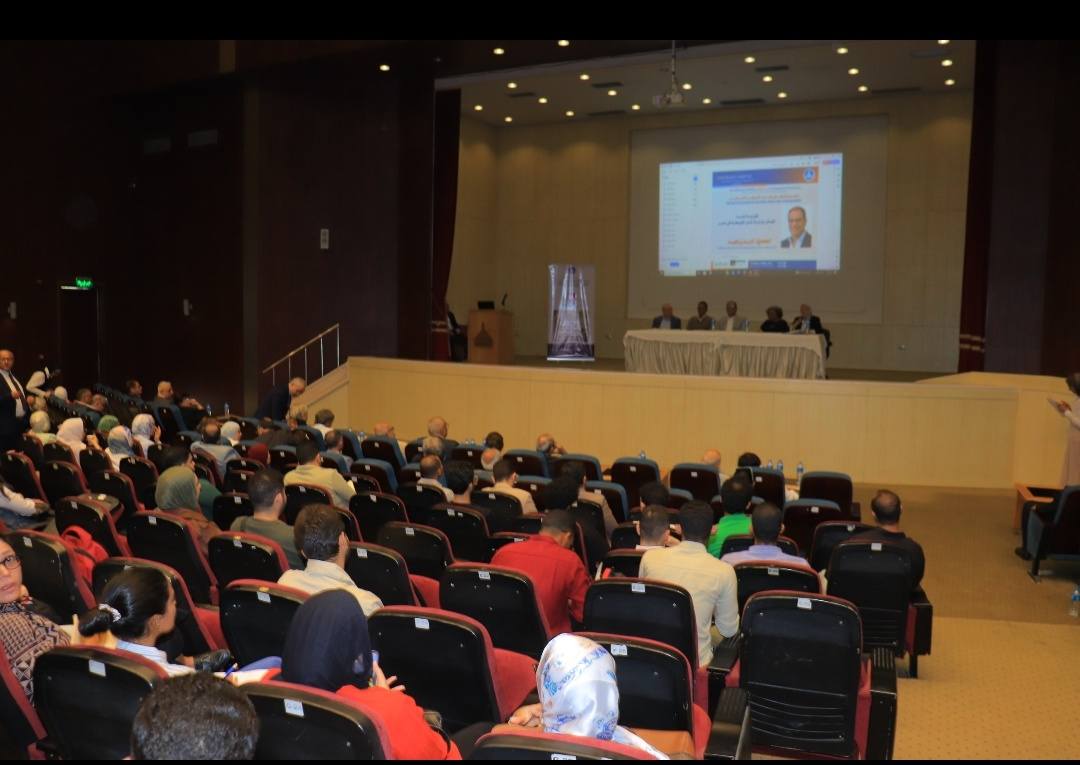
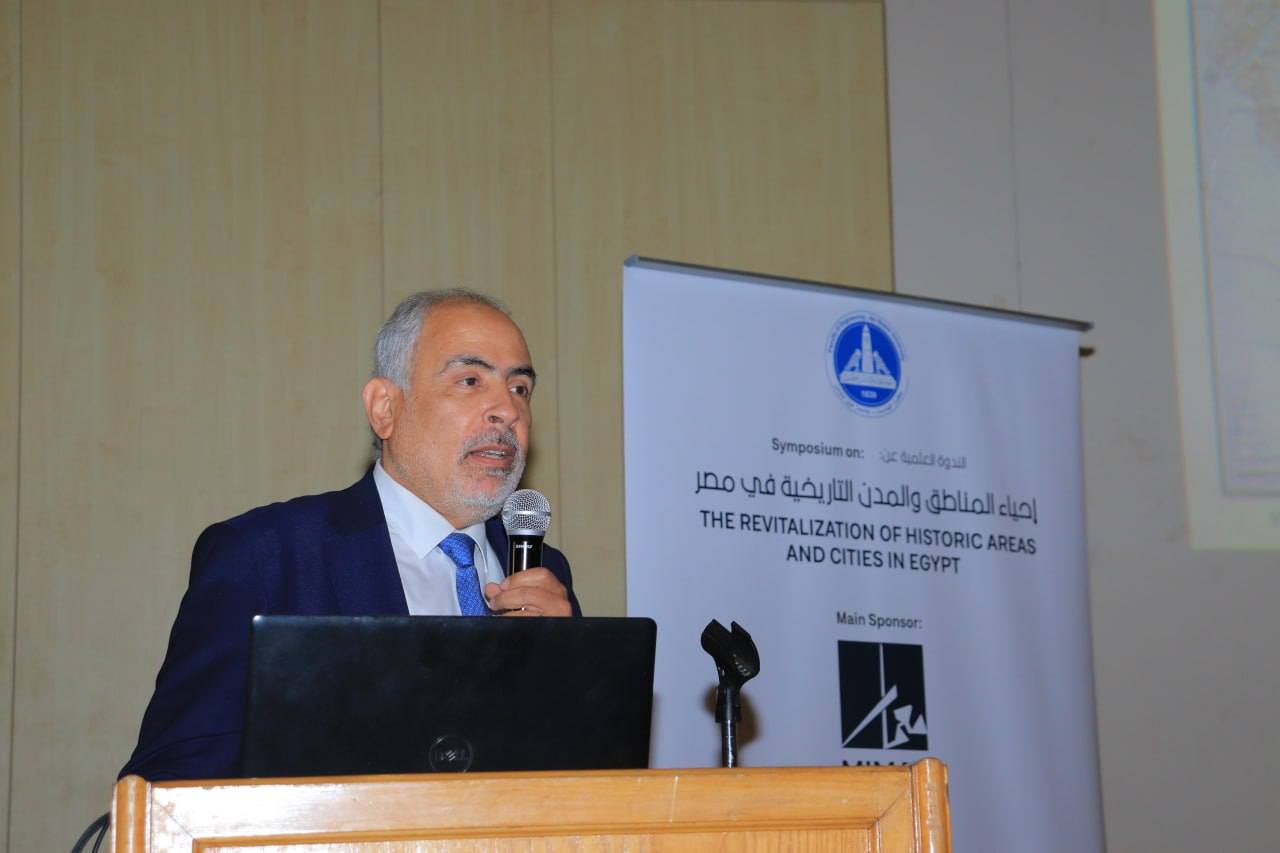
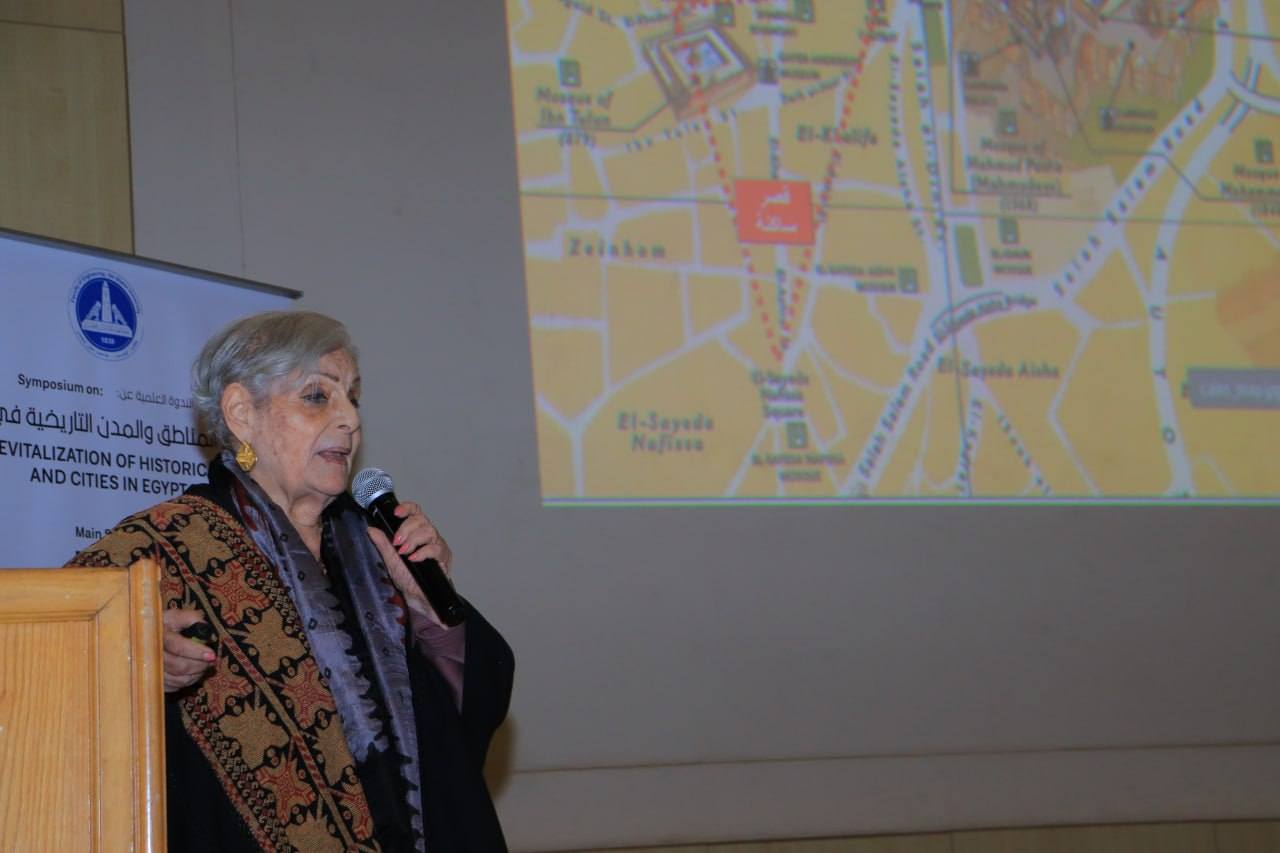
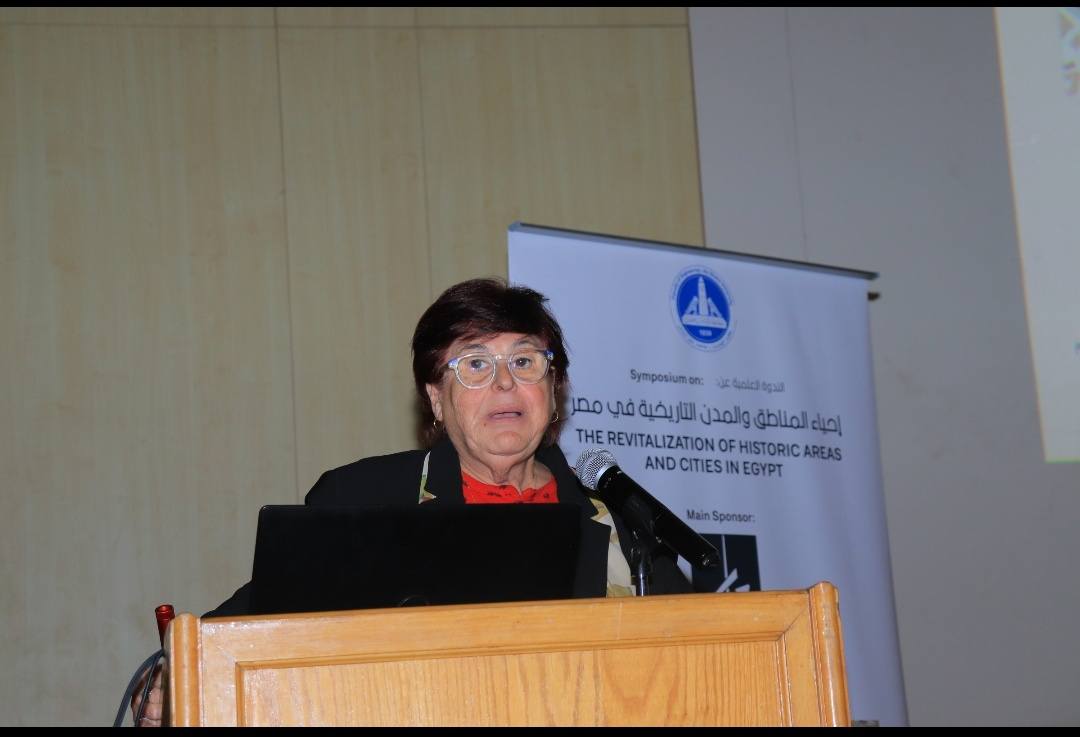
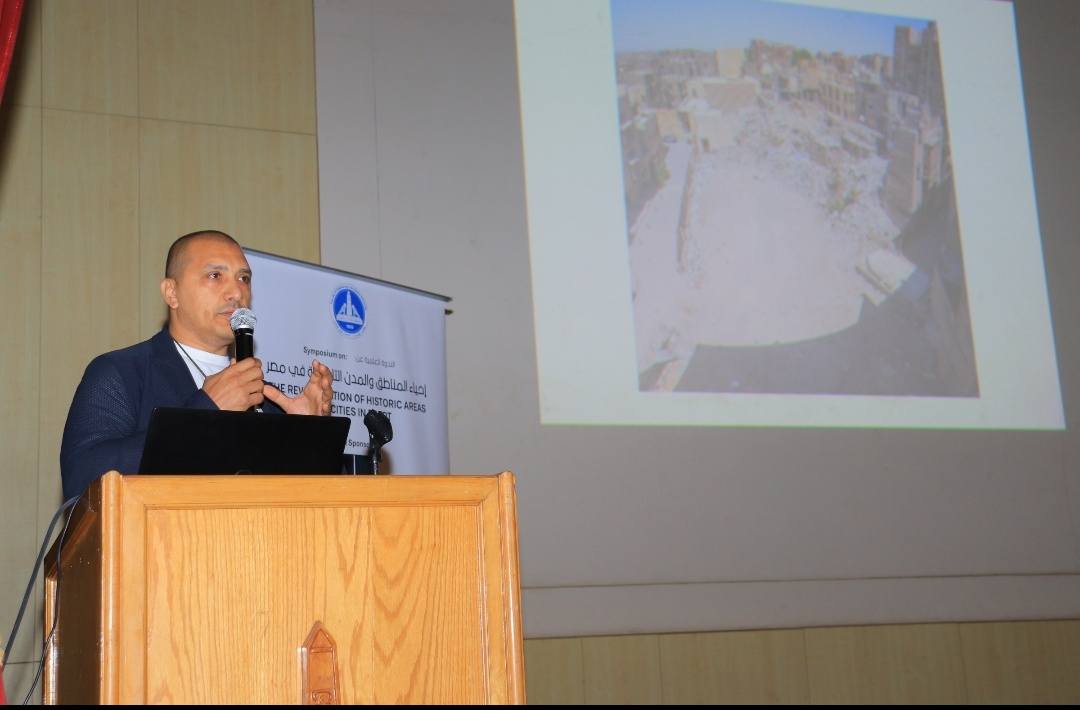
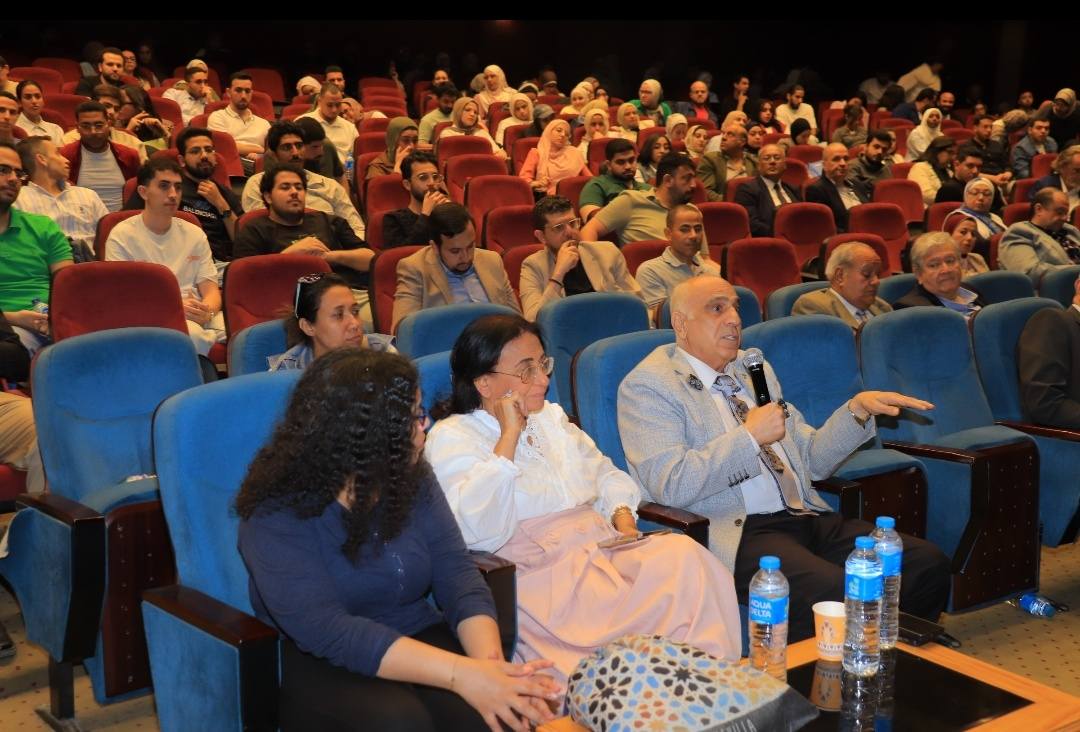
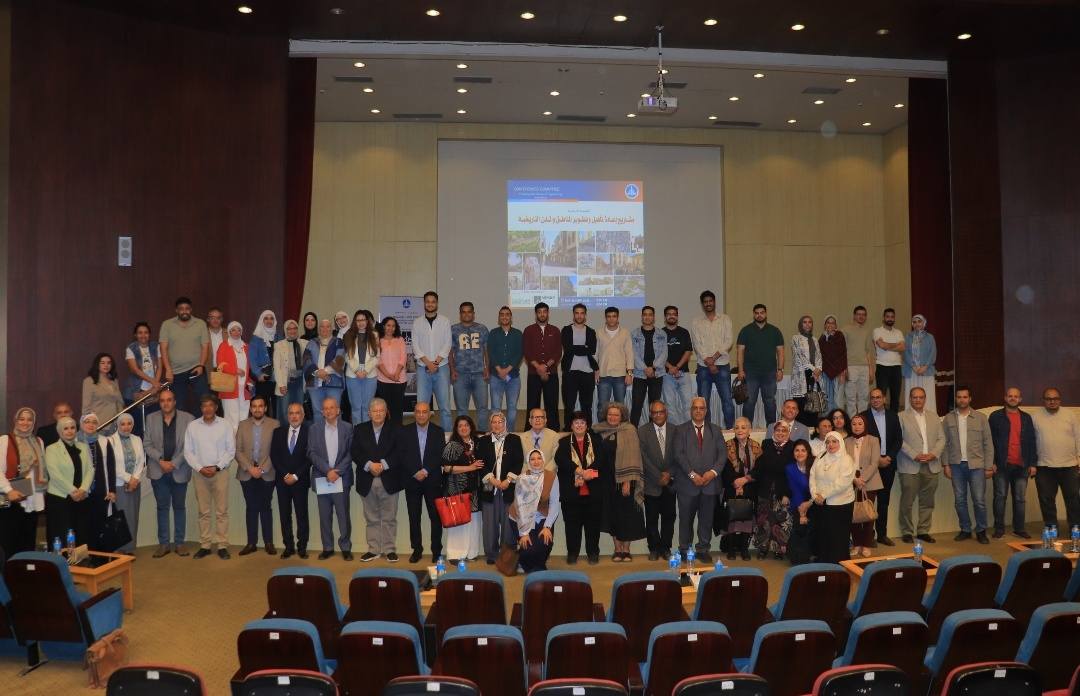
A scientific seminar was held at the Faculty of Engineering, Ain Shams University, on the revitalization of historic areas and cities in Egypt. The seminar was organized by the Master’s Program in Architecture in collaboration with the Faculty’s Conferences Committee, aiming to discuss experiences and expertise in revitalizing historic Egyptian areas and cities, and to benefit from diverse approaches toward achieving integrated and sustainable urban regeneration.
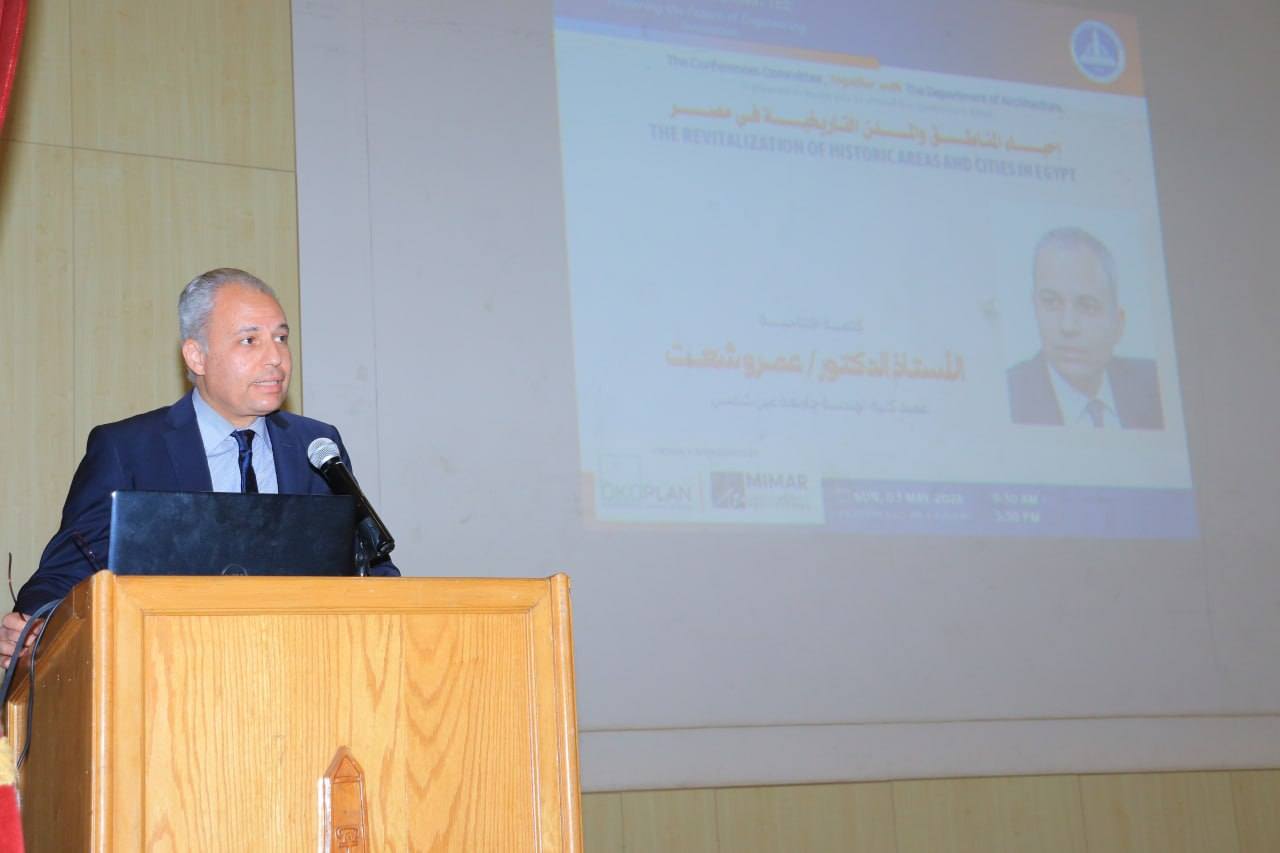
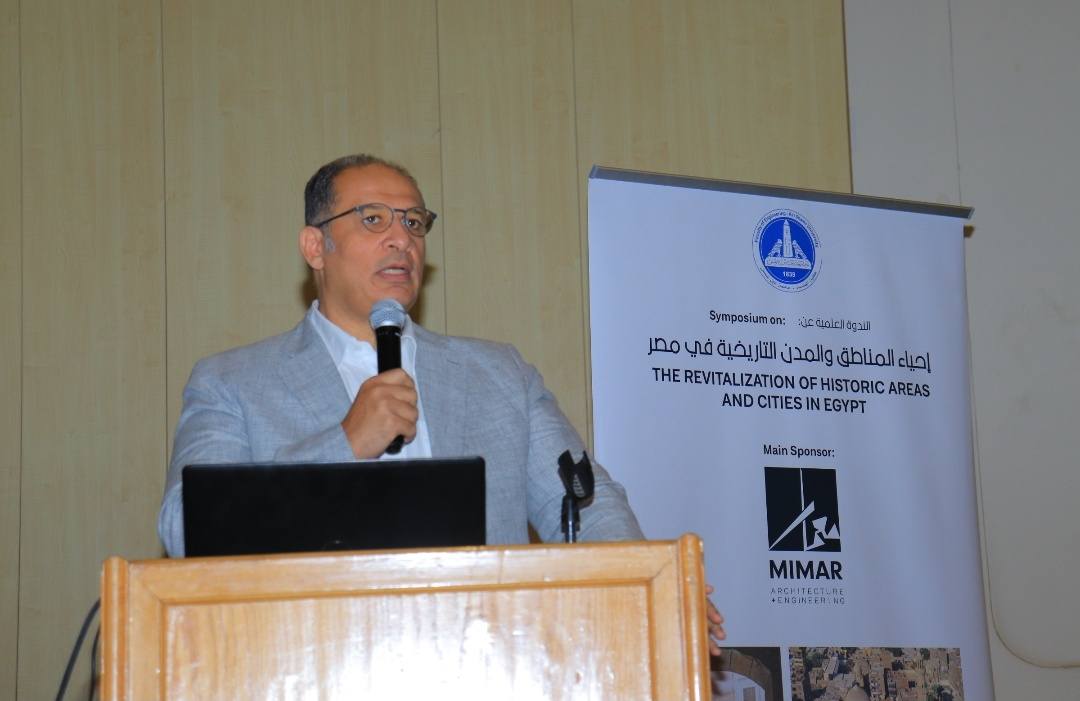
The event was inaugurated by Prof. Dr. Amr Shaat, Dean of the Faculty, who welcomed the attendees and emphasized the important role the Faculty plays in supporting scientific research مرتبط بقضايا التراث العمراني. He noted that revitalizing historic cities is no longer an academic luxury, but a developmental, economic, and cultural necessity.
Prof. Dr. Hazem El-Daly, Head of the Architecture Department, also delivered a speech highlighting the department’s efforts to connect students with real field projects.
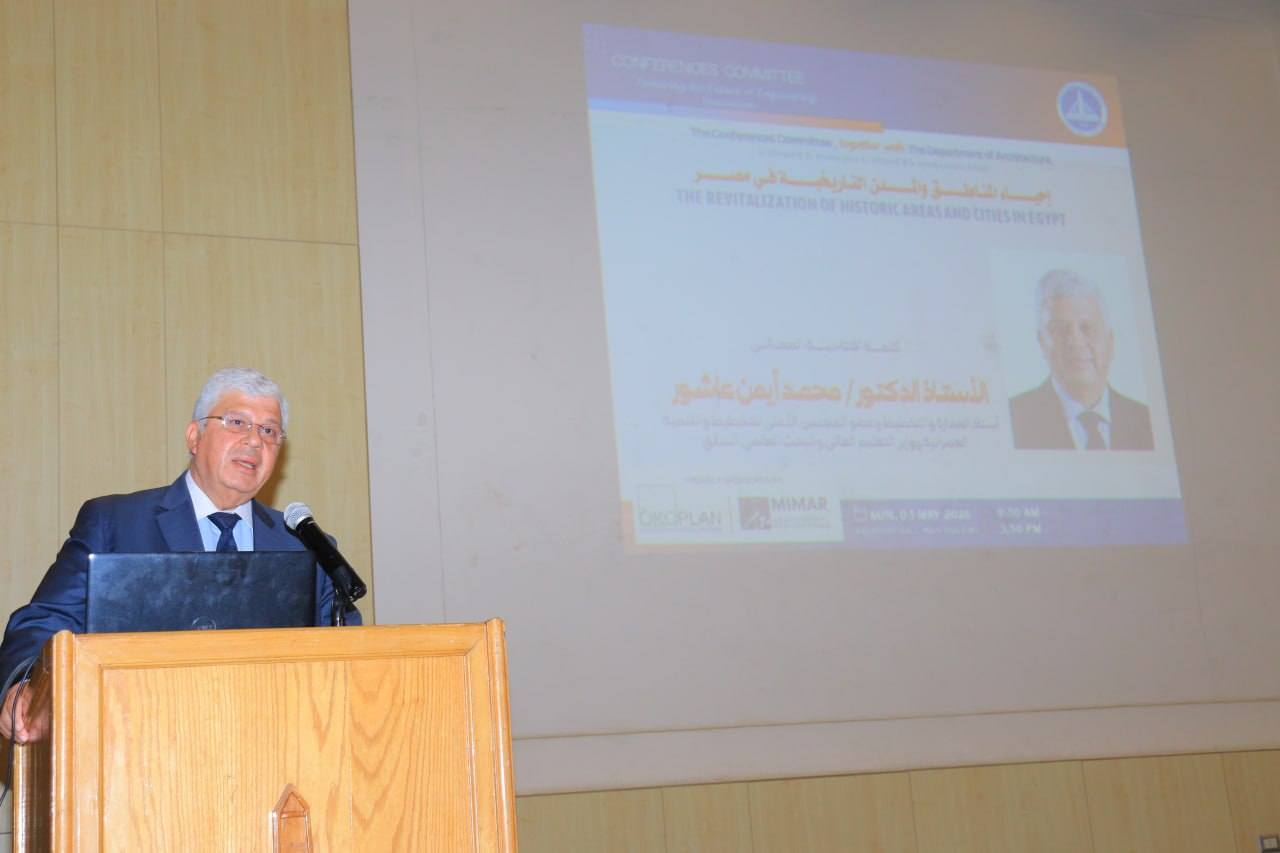
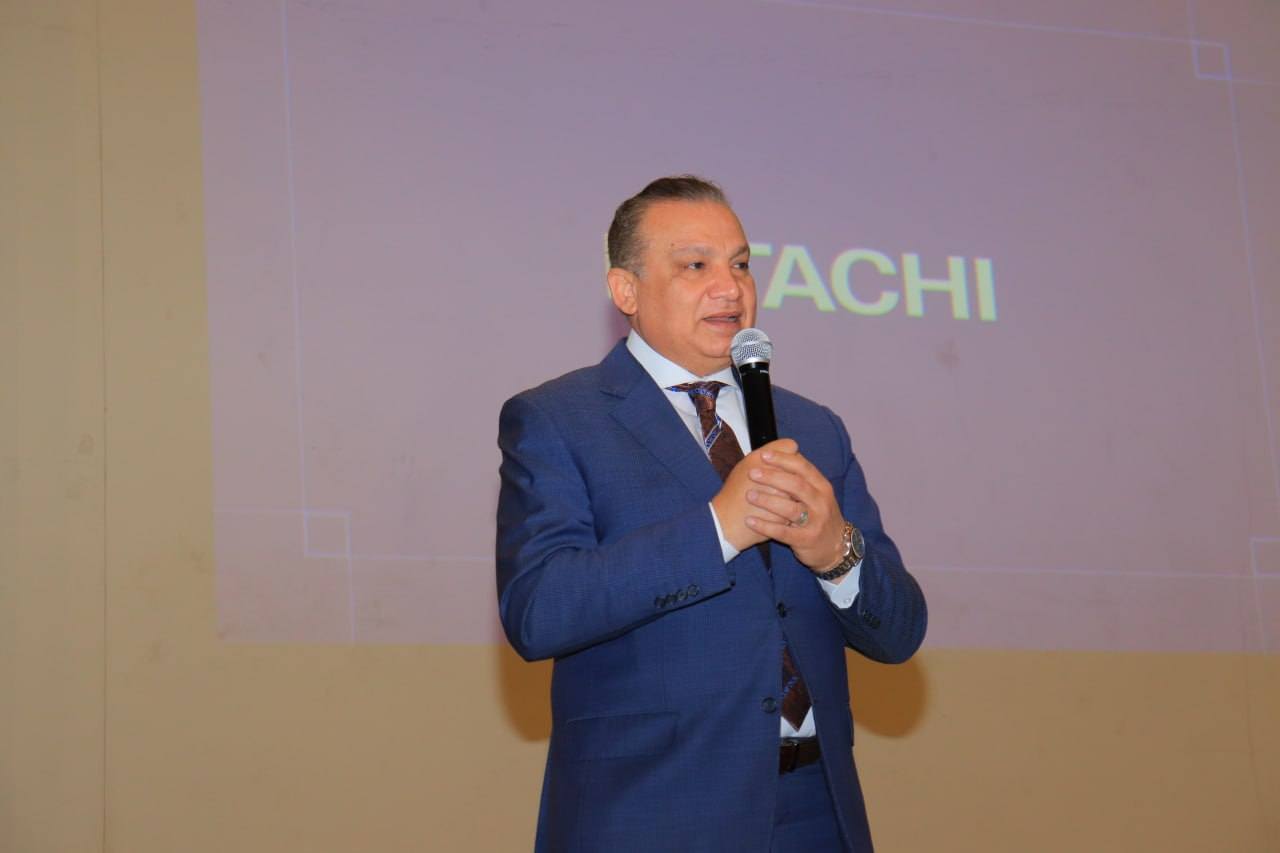
Prof. Dr. Mohamed Ayman Ashour, Professor of Architecture and Planning at the Faculty and former Minister of Higher Education and Scientific Research, spoke about the importance of integrating efforts between universities and executive entities. He reviewed examples from the Egyptian experience in linking academic research with decision-making in urban conservation, referring to the comprehensive development project of Luxor as a model.
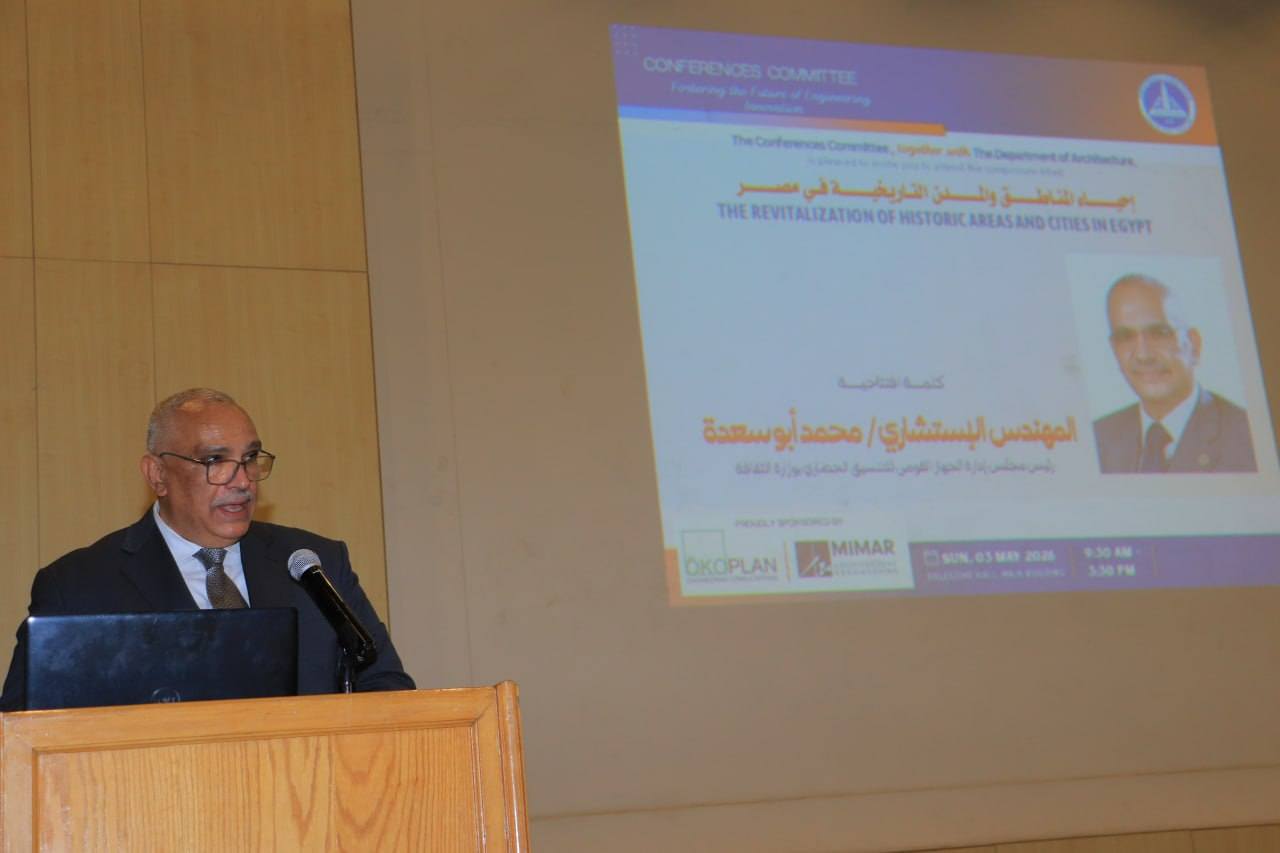
Eng. Mohamed Abou Saada, Head of the National Organization for Urban Harmony, presented the role of the organization in urban heritage, the protection of distinctive areas, and mechanisms for preserving and developing heritage sites.
Eng. Khaled Seddiq, Chairman of the Urban Development Fund, discussed the fund’s experience in developing Historic Cairo, emphasizing the importance of the social dimension in revitalization projects.
-
First Session: Contemporary Experiences in Revitalizing Historic Areas and Cities
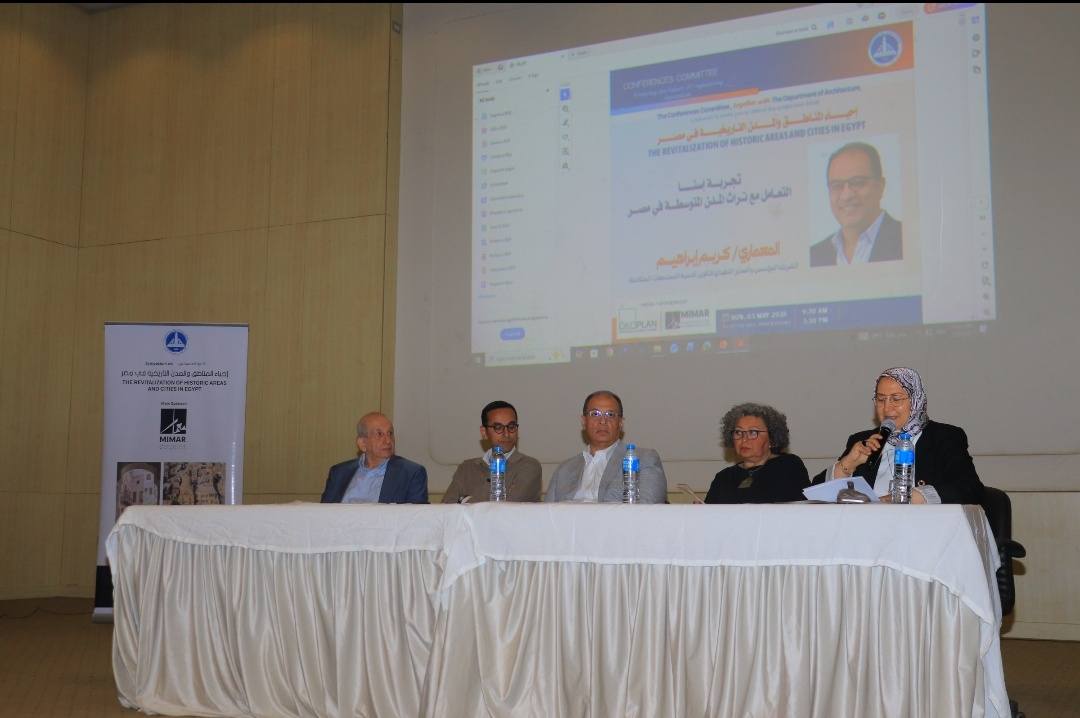
Chaired by Prof. Dr. Marwa Aboul Fotouh, Vice Dean for Graduate Studies and Research, the session included:
Architect Karim Ibrahim, who presented the Esna Historic City revitalization project in Luxor, highlighting an approach that treats the urban fabric surrounding Esna Temple as an integrated unit rather than merely a backdrop. He emphasized community engagement and training local craftsmen in traditional restoration techniques.
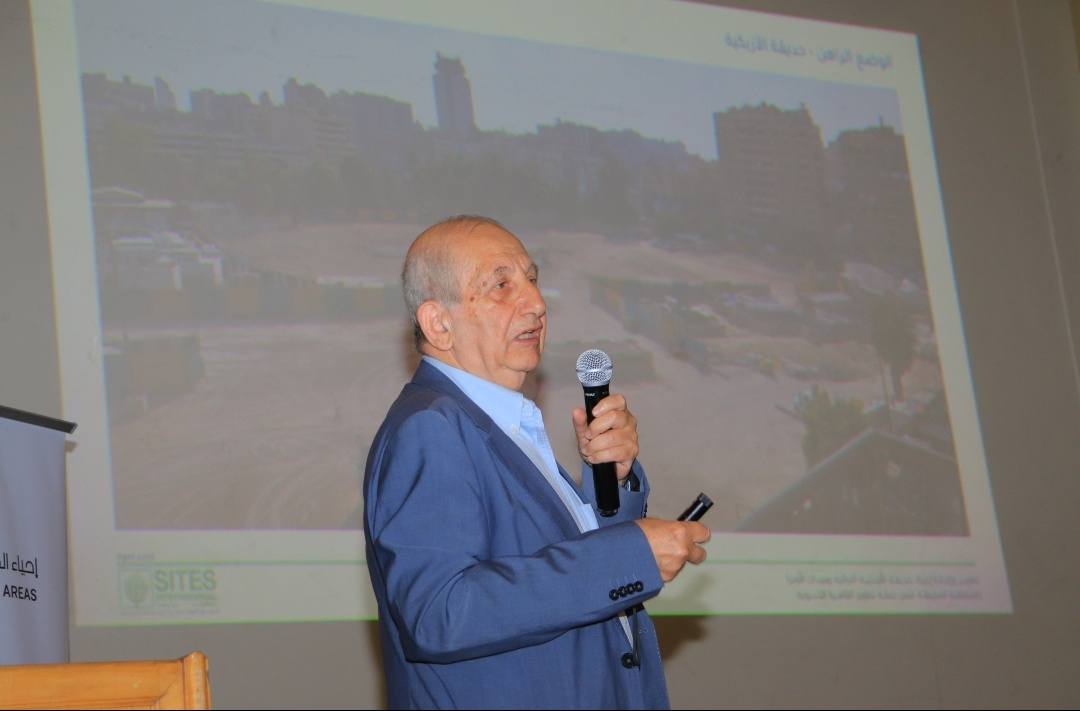
Prof. Dr. Maher Stino discussed the Azbakeya Garden revitalization project in downtown Cairo, addressing challenges in reinterpreting the historic garden and proposing ways to reconnect it with surrounding urban spaces such as Ataba and Ramses squares.
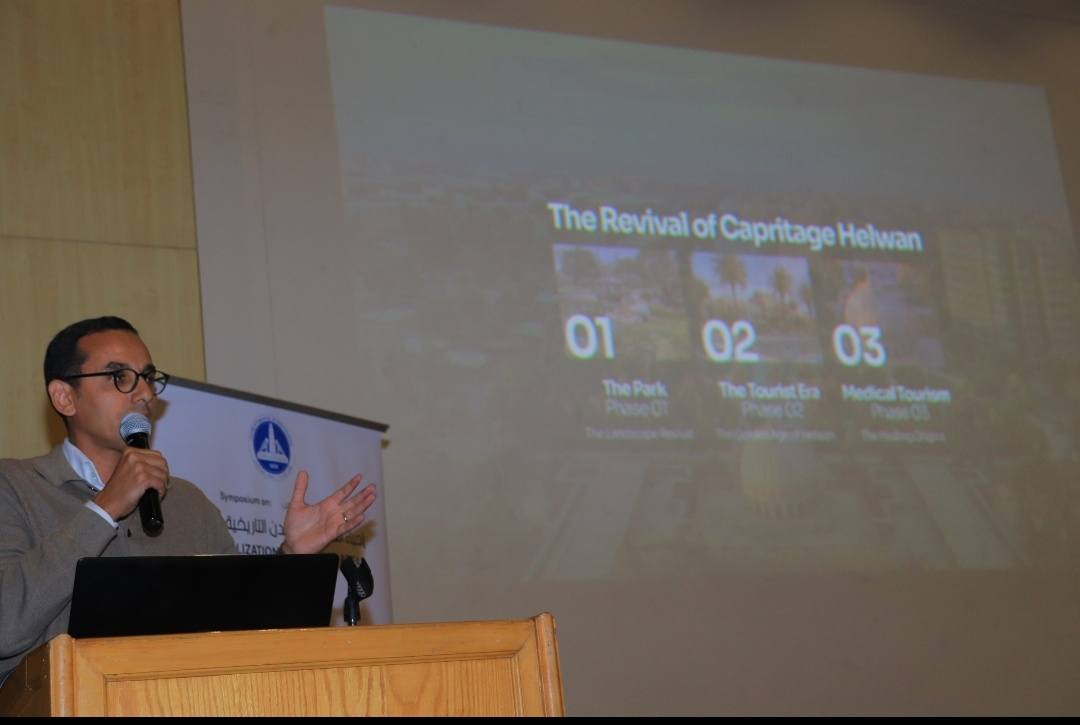
Architect Moaz Abou Zeid presented the revitalization of Karrtage Gardens in Helwan, highlighting its historical value as a rare example of early 20th-century therapeutic suburbs, along with challenges related to urban encroachment and environmental decline.
-
Second Session: Rehabilitation and Development Projects
Chaired by Prof. Dr. Morad Abdelkader, Professor of Architecture and Environmental Control:
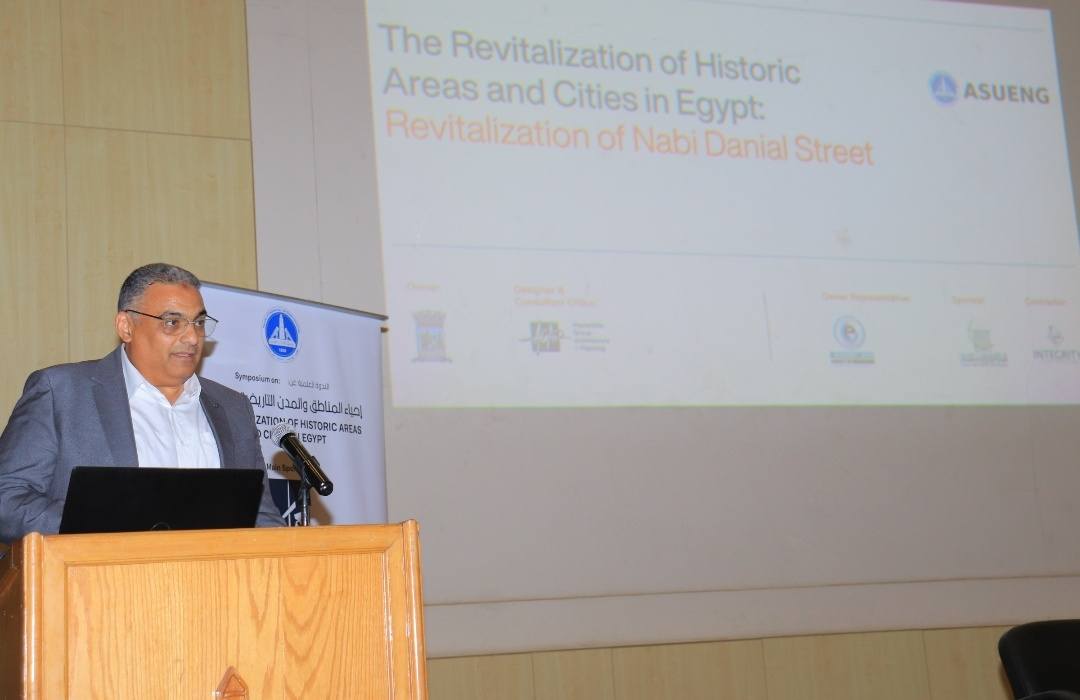
Eng. Mohamed Abou Shousha and Dr. Ziad El-Sayad discussed the development of Nabi Daniel Street in Alexandria.
Dr. Alaa El-Habashi presented the rehabilitation project of Souq El-Selah Street in El-Darb El-Ahmar, Cairo.
Dr. Nairy Hampikian and Architect Walid Arafa jointly presented the Darb El-Labbana project in the Citadel area.
-
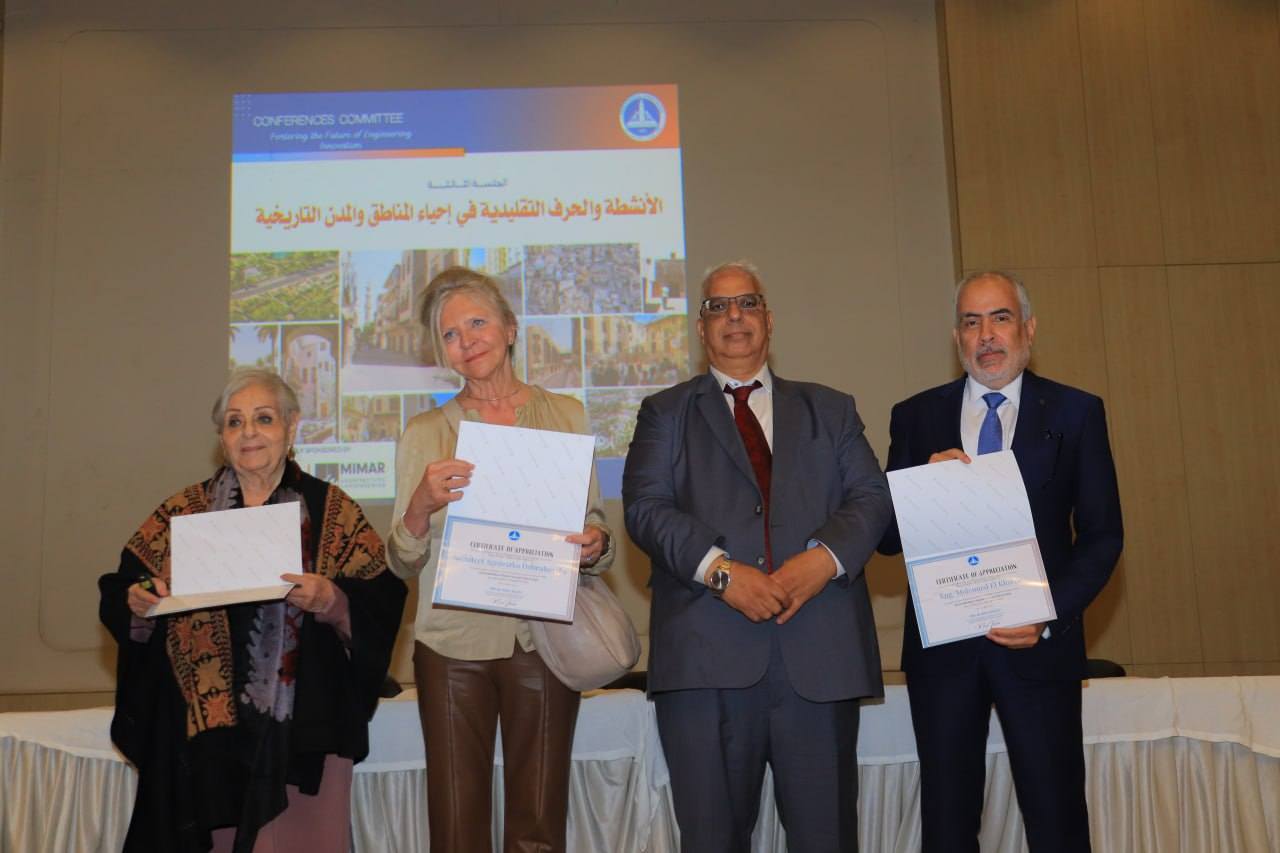
Third Session: Traditional Activities and Urban Revitalization
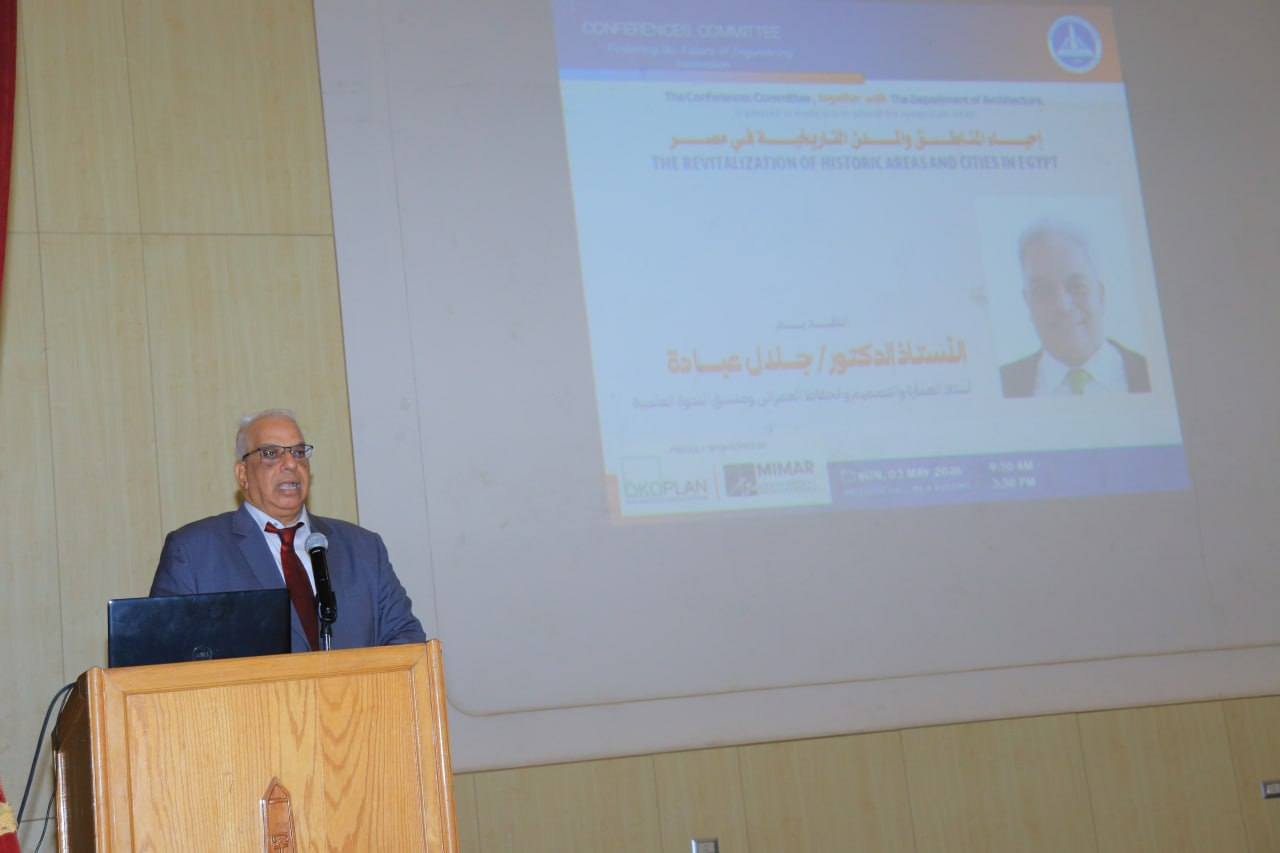
Chaired by Prof. Dr. Galal Ebada, Professor of Architecture, Design, and Urban Conservation:
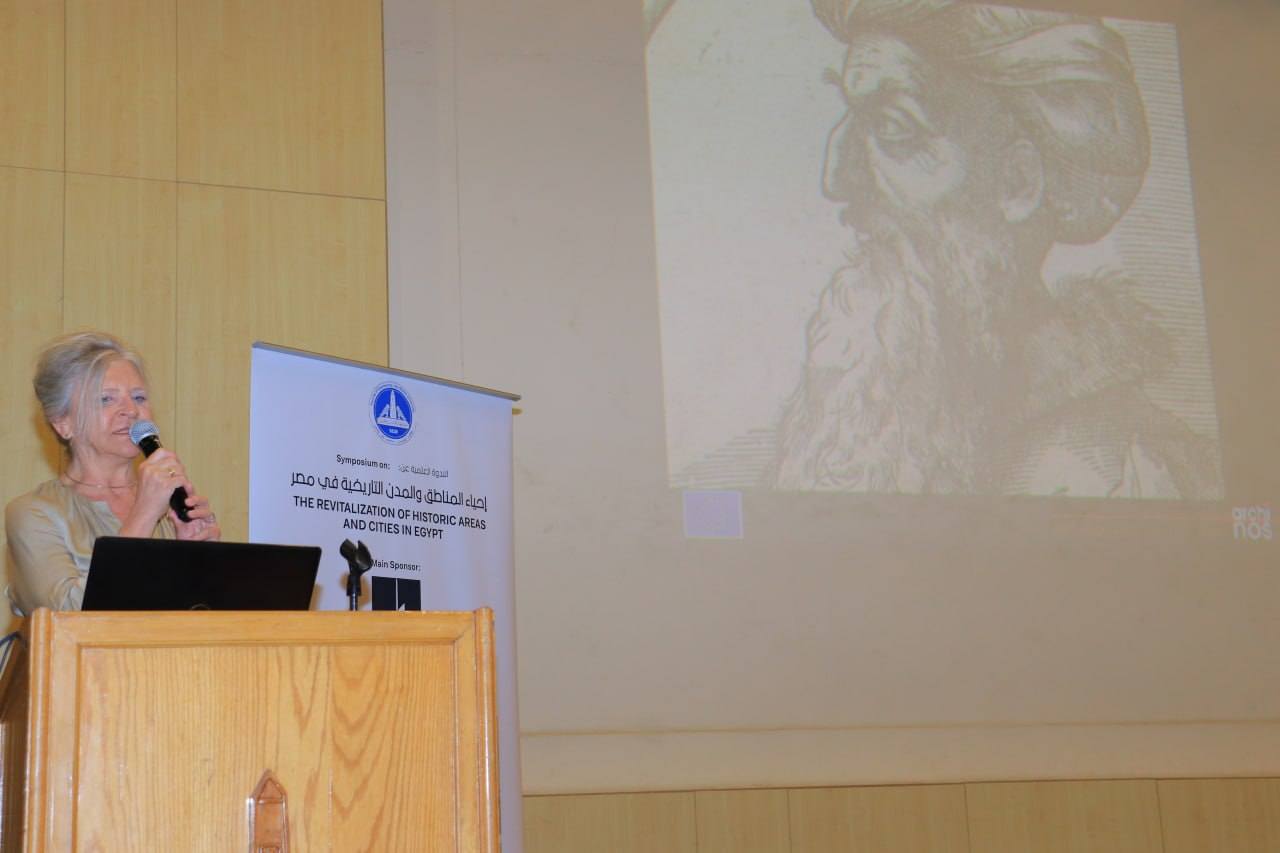
Architect Agnieszka Dobrowolska presented her experience in the Mamluk Necropolis area.
Dr. Shahira Mehrez discussed the development of traditional architectural crafts through the “Sakena Bek Palace” model.
The seminar concluded with recommendations emphasizing the importance of strengthening cooperation between universities and executive bodies, and the necessity of involving local communities in all stages of urban revitalization projects.